
August 24, 2026
OEM Parts Authoring: What It Means and Why Data Structure Matters
Before any cross-reference lookup or fitment search can work, someone — or some process — has to turn a manufacturer's raw part information into a structured, searchable record. That step is parts authoring, and it's the part of the pipeline that determines whether every downstream search is accurate or just plausible-looking.
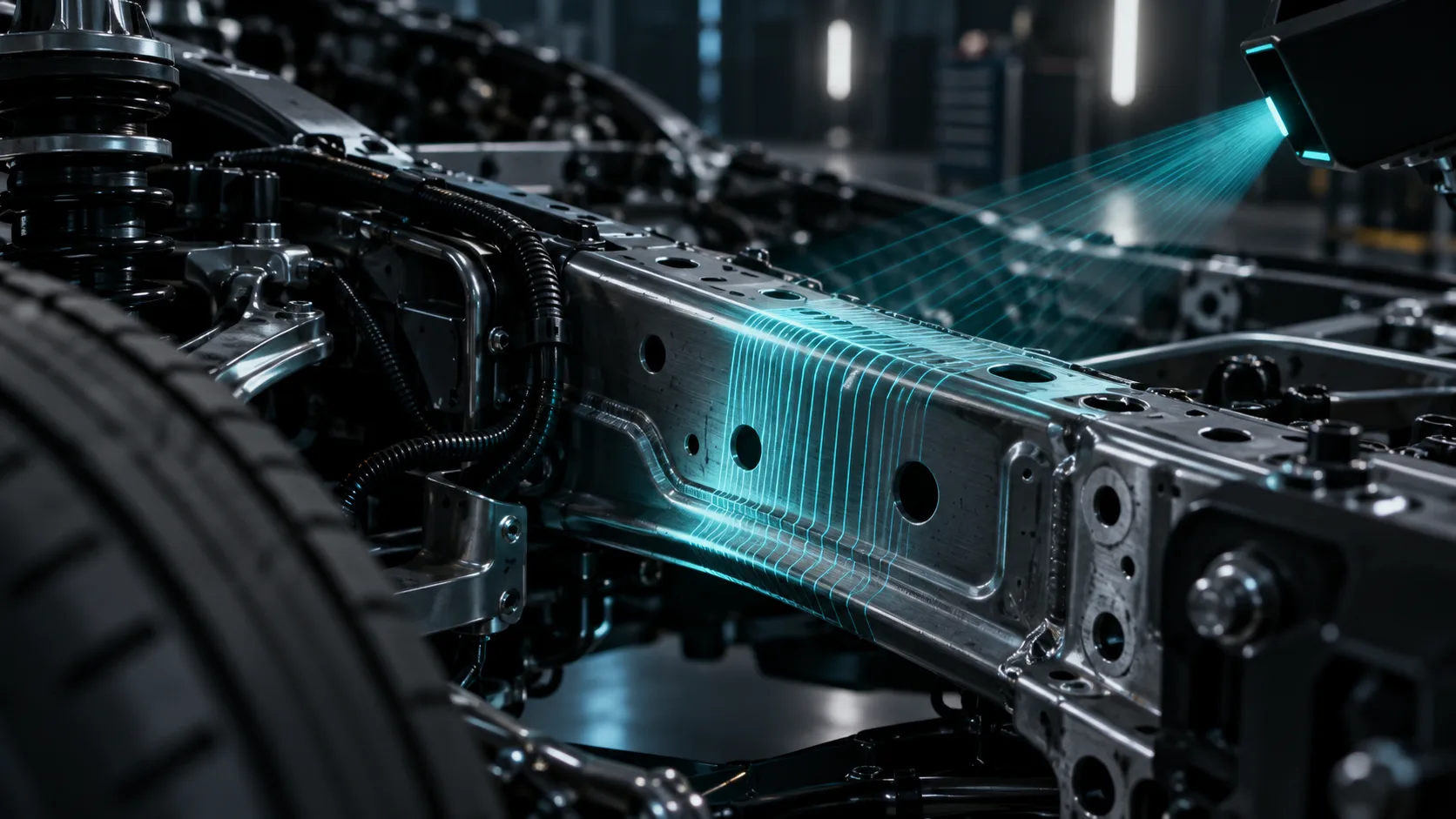
What parts authoring means
Authoring is the process of creating and maintaining the canonical record for a part: its identifying number, description, specifications, and its relationships to other numbers — supersessions, aftermarket equivalents, and the vehicles it fits. It's less like data entry and more like editorial work, because a single wrong or missing relationship propagates into every search that touches that part afterward.
Why authoring quality determines search accuracy
A cross-reference API or fitment search is only resolving relationships that were captured during authoring. If a supersession wasn't recorded, the API has no way to know two part numbers are equivalent — it isn't a search problem, it's a data problem one step upstream. This is why two platforms built on the same underlying search technology can produce very different accuracy: the gap is almost always in how the source data was authored, not in the lookup logic.
What good authoring looks like in practice
Well-authored data uses consistent, structured fields rather than free text, so relationships can be queried programmatically instead of guessed at. Supersession chains are actively maintained as manufacturers issue revisions, not treated as a one-time import. And identifiers are validated for consistency — the same part shouldn't have conflicting descriptions or specs depending on which source record it came from.
From authored data to verified match
Authoring is the foundation, but it only becomes useful once it's connected to your own inventory — otherwise you have an accurate description of a part with no way to know if you can sell it. AutoWiz's OEM Parts API resolves authored OEM data directly against your own stock, so every match a customer sees is both correct and actually available.
Frequently asked questions
Is parts authoring a one-time process?
No. Manufacturers continuously revise and supersede part numbers, so authored data needs ongoing maintenance to stay accurate rather than being treated as a static import.
Why do two platforms with similar search technology give different results?
The difference is usually in the authoring, not the search logic. A search can only surface relationships that were actually captured in the underlying data during authoring.
Does authored OEM data need to connect to our inventory?
Yes, for the results to be practically useful. Authored data alone describes a part; connecting it to real stock is what turns a description into a sellable match.
See it in action
This post ties directly into AutoWiz's OEM Parts Cross-Reference API. Create an account to generate an API key, or reach out and we'll help you scope the integration.